Cosmos Clinic


Acne Treatment with Photodynamic Therapy (PDT) – Sydney & Canberra

Looking for the most effective Acne Treatment? Talk to the team at Cosmos Clinic to clear up embarrassing Acne problems

Acne is a common problem especially for teenagers. Without an effective Acne Treatment, it can greatly affect their confidence and development. Active acne is best treated with Daily Skin Care and Photodynamic Therapy (PDT). 30% patients are cured of their acne following one treatment of PDT, 60% are cured after 2 treatments of PDT and 90% are cured after three treatments of PDT.

Acne Treatment with Skin Care

The combination of a vitamin A cream, antibiotics and benzyl peroxide wash has a 50% success rate compared to the 80-90% success rate of PDT. Roaccutane has a slightly higher success rate than PDT but many patients do not want to trial this option given the multitude of side effects.

PDT is a effective and safe treatment for active acne lesions.

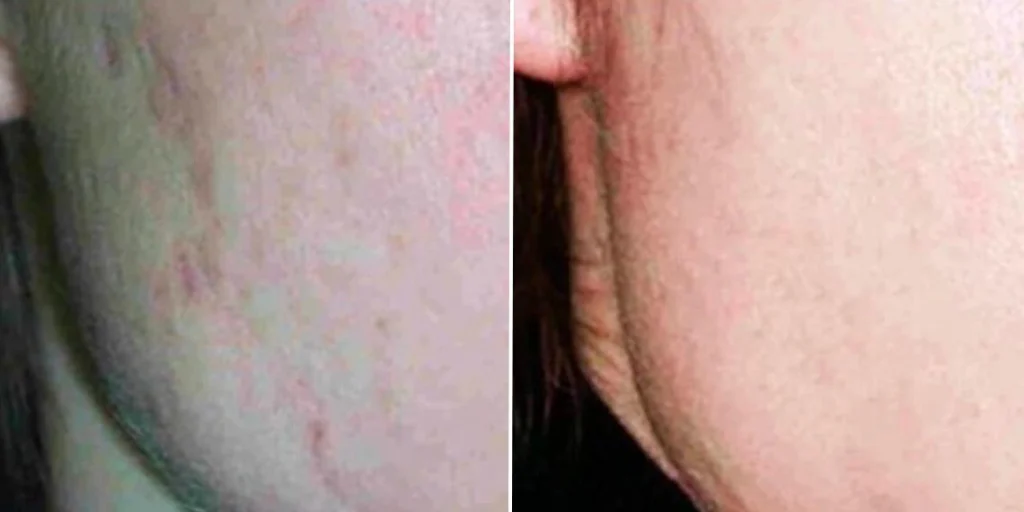
Acne Treatment Before & After

Acne Treatment Before After

Acne Treatment Before After

Photodynamic Therapy (PDT)

You have probably noticed that when you go to the beach in summer your acne improves. The sun is responsible for this improvement by activating a substance called ALA in your oil gland. This leads to the destruction of the blocked oil gland and the bacteria that causes acne. Photodynamic therapy is an Acne Treatment that amplifies this natural process by artificially increasing the amount of ALA in your skin.. Photodynamic therapy involves the application of a cream called Aminolevulinic Acid (ALA) which is activated by a light source. Aminolevulinic Acid (ALA) is a “natural” product found throughout the body. The activation of ALA by light leads to:

  • The destruction of sebaceous glands.
  • The blockage of these glands is responsible for causing acne.
  • The destruction of Propionibacterium acnes (P. acnes), the bacteria that triggers acne.
  • This Acne Treatment can also improve texture, tone and complexion of the skin. It reduces pigmentation, broken capillaries and fine lines.

This makes this therapy particularly useful for acne, Rosacea, pigmentation (freckles), large pores and photorejuvination of the skin. It can be used for all skin types over the whole body. The use of Retin A gel and fruit acids prior to the PDT helps with the effectiveness of the treatment. After the procedure, it is important for the patient to avoid the sun where possible, wear sunscreen and a hat. Exposure to the sun will result in a burning sensation on the face (photosensitivity). The face becomes red a few hours after the treatment. The photosensitivity and the redness will last anywhere from two days to two weeks depending on the intensity of the treatment selected by the patient. The greater the intensity, the better the result, but the longer the redness and photosensitivity.

Photodynamic Therapy Costs & Prices

Initial Consultation at one of our Cosmetic Clinics in Sydney or Canberra is $120. One treatment of PDT starts from around $575, however discount packages are available.

Understanding Acne

Acne results from the obstruction and inflammation of the sebaceous glands, and it affects 80% of the population. Acne typically begins in adolescence with hormonal changes.

Acne is caused by overactive sebaceous glands in the skin. The sebaceous glands, triggered by the hormone androgen, produce sebum (oil) in the skin. Although androgen is a male hormone, it is present in both men and women. Production of this hormone is highest during puberty, but it is always present in the body. When androgen levels increase, the sebaceous glands release sebum. Ordinarily this oily substance spills onto the skin. Clogged pores cause sebum to be trapped beneath the skin causing whiteheads and blackheads. Sebum can then mix with the trapped cells and cause Propionibacterium acnes (P. acnes) bacteria normally found on the skin to grow in the clogged follicles. P. acnes can cause inflammation and pus and can result in papules or pustules. When the follicles expand as much as they can, bumps called nodules are formed under the skin.

There are different levels of acne ranging from milder blackheads and whiteheads to moderate, pustular/papular and severe cystic acne. In many cases, several or all of these levels of acne can be present on an individual simultaneously.

How is Acne Formed

Acne Causes

- Clogged pores or follicles : Acne is caused by clogged pores or follicles (small openings in the skin) that contain a hair and sebaceous (oil) gland. It can show up anywhere on the body but it is usually found on the face, back, shoulders, and chest. Follicles become clogged by dead skin cells and oil (called sebum) made in the pore

- Hormones and extra sebum: Humans have hundreds of hair follicles, or pores, on the surface of our skin through which hair grows. Deep inside each follicle is a hair shaft attached to small glands called sebaceous glands. These glands make an oily substance called sebum to moisten our hair and skin. Sometimes when too much sebum is made, it can mix with dead skin cells (that we are constantly shedding) to create a sticky plug. Trapped bacteria grow very fast in these plugged follicles and make chemicals that can cause swelling, redness, and pain. Eventually the plugged follicle can burst and spill everything – oil, dead skin cells, and bacteria – onto the skin surrounding other follicles.

When you become a teenager and go through puberty, your body makes more hormones (especially androgen hormones). This can make sebaceous glands enlarge and too much oil or sebum can be made. Sebum is supposed to carry dead skin cells up to the surface of the skin, but when there is too much of it, it clogs the pores leading to whiteheads, blackheads, pimples, and cystic acne.

Types of Acne

Acne Vulgaris is the most common form of acne which includes several types of pimples. These acne lesions include blackheads, whiteheads, papules, pustules, nodules and cysts.

Mild to moderate acne vulgaris consists of the following types of acne spots:

  • Whiteheads appear as small skin bumps . They are blocked swollen pores that are filled with dead skin cells and sebum(oil)
  • Blackheads happen when a clogged pore is open and a chemical reaction causes the surface to darken. The blackhead is caused from a build up of melanin-a skin pigment and its reaction with oxygen in the air.
  • Papules and pustules both occur when a clogged pore becomes infected by bacteria (p.acne). Papules appear as a small red, raised lump. Pimples/pustule appear as fragile small white pus filled domes, which is the body’s way of reacting to a bacterial infection. Pimples, also called “zits,” can be tender to the touch

Severe acne vulgaris is characterized by nodules and cysts:

  • Cysts and nodules occur when clogged up pores break under the skin causing bigger and often very painful bumps. If left untreated, these cysts can cause scarring.
  • Nodules are large, hard bumps under the skin’s surface.
  • An acne cyst can appear similar to a nodule, but is pus-filled, and has been described as having a diameter of 5mm or more across.

Acne Rosacea can look similar to the aforementioned acne vulgaris, and the two types of acne are sometimes confused for one another. It appears as a red rash which is normally confined to the cheeks, nose, forehead and chin. The redness is often accompanied by bumps, pimples, and skin blemishes.

Prior to Photodynamic Acne Treatment, the best available treatment option for resistant and cystic acne was Roaccutane. However, there are many side effects linked to the use of with Roaccutane including birth defects, liver abnormalities, depression, and virtually all patients experience dryness and night vision changes.

PDT Acne Treatment provides a viable alternative to all types of Acne Treatment without having negative systemic effects.

FREQUENTLY ASKED QUESTIONS

What is PDT used for?

PDT is useful for Acne Treatment, Rosacea and pigmentation (freckles). It is also used for photorejuvination of sun damaged skin to improve the texture, tone and complexion while reducing the pigmentation, pores and fine lines of skin.

Who is a suitable candidate for PDT?

PDT is suitable for all patients with active acne lesions who have not had a response to antibiotic treatments and do not want to commence Roaccutane (due to the numerous side efffects). The combination of a vitamin A cream, antibiotics and benzyl perioxide wash has a 50% success rate compared to the 80-90% success rate of PDT. Roaccutane has a slightly higher success rate than PDT but many patients do not want to trail this option because of the multiple side effects.

PDT is a effective and safe treatment for active acne lesions

Patients with dark skin types are able to be treated with PDT. The risk of hyperpigmentation is small if they are treated appropriately. If hyperpigmentation does occur, it resolves with appropriate treatment in 3-4 months.

Acne Treatment Costs & Prices

Acne Treatment costs and prices vary widely depending on your overall situation and expectations. Initial consultation is $120 however this is redeemable if you proceed with any treatment. As a guide, procedures range from $575 to $875.

Acne Treatment Locations

Your initial Acne Treatment consultation can be undertaken at our practice in Double Bay in Sydney and our practice in Canberra.

About this Procedure Before and After Photo Gallery Video Gallery


Having a positive effect on a person’s self esteem is something very special and as a Cosmetic Surgeon I consider it an honor to have that opportunity – Dr Joseph Ajaka

See us on TV

Like us on Facebook


Before and After   Videos and Gallery   Specials   Request an Appointment   Make an Enquiry