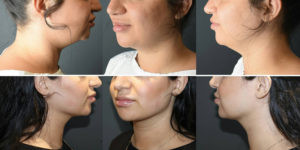
- Liposuction
- Buttocks
- Breasts
- Facial Rejuvenation
- Face & Neck


Australia’s Largest Cosmetic Surgery Operator
Cosmetic Aesthetics in Sydney, Gold Coast, Canberra & Adelaide
FEATURED PROCEDURES
Cosmos Aesthetics - Dedicated Focus on Liposuction
Nose-Reshaping
A simple procedure that uses Volume Enhancement Treatments to achieve a more desirable shape to the nose without surgery.
Learn more
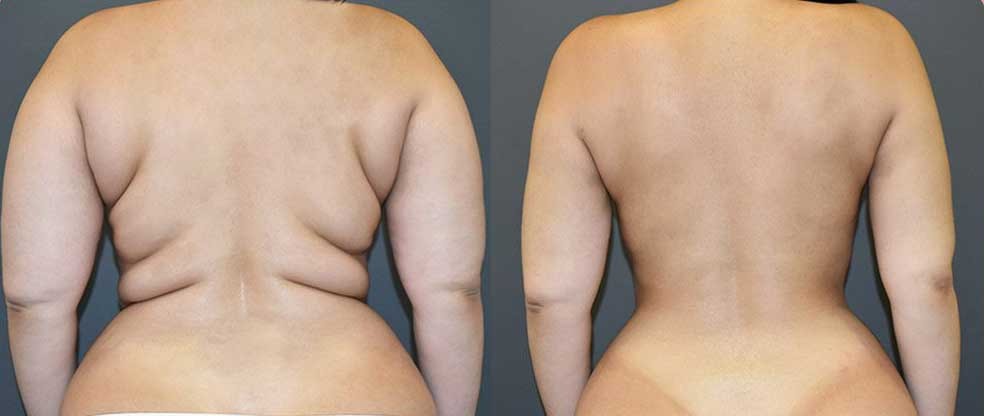
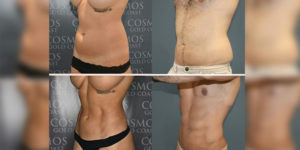
Liposuction
Helping women and men remove stubborn pockets of fat that don’t respond to diet, exercise and living a healthy lifestyle.
Learn more
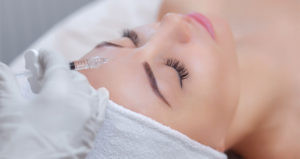
Wrinkle Reduction
Look visibly younger by treating frown lines, smile lines and forehead lines with Wrinkle Reduction Treatments.
Learn more
Volume Enhancement Treatments
Enhance facial features or replace lost volume in the face and skin with results seen immediately.
Learn more
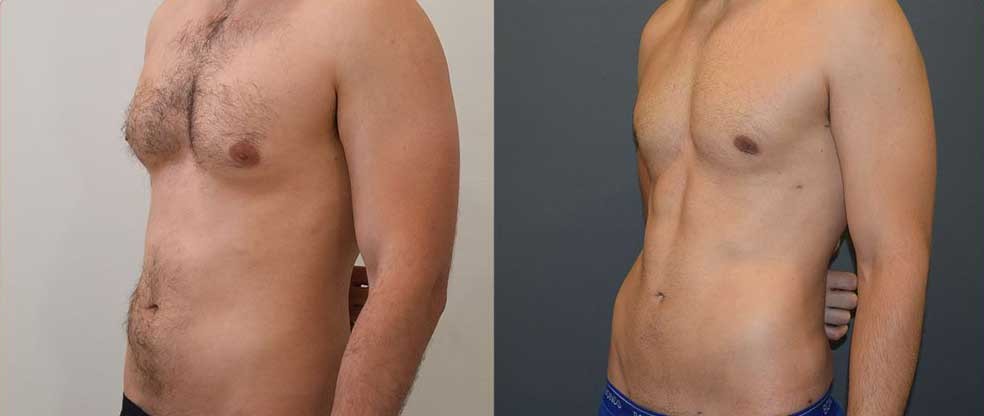
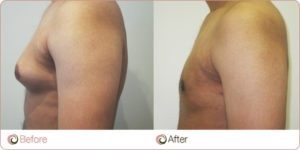
Man Boobs
Removing the fat around the chest, making it look flatter and reducing the feminine appearance.
Learn more
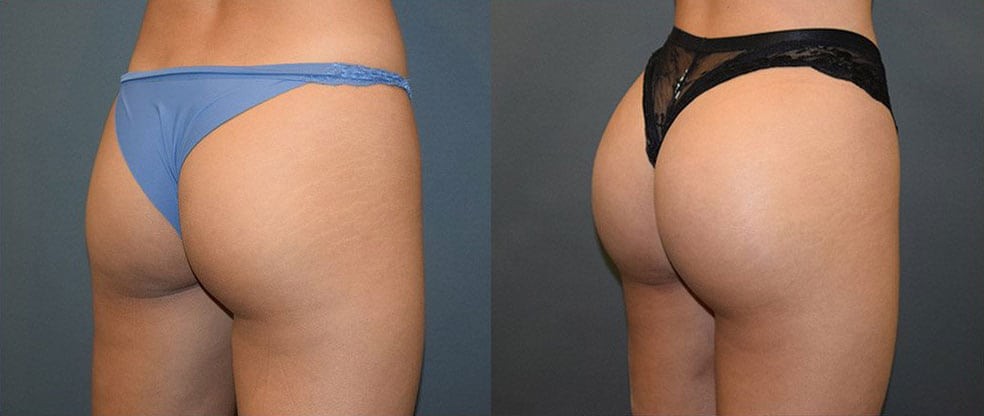
BBL
A Brazilian Butt Lift uses your own purified fat from unwanted areas to give your bottom a more lifted, larger appearance.
Learn more
ABOUT US
Your complete cosmetic surgery clinic bringing science to the art of beauty.
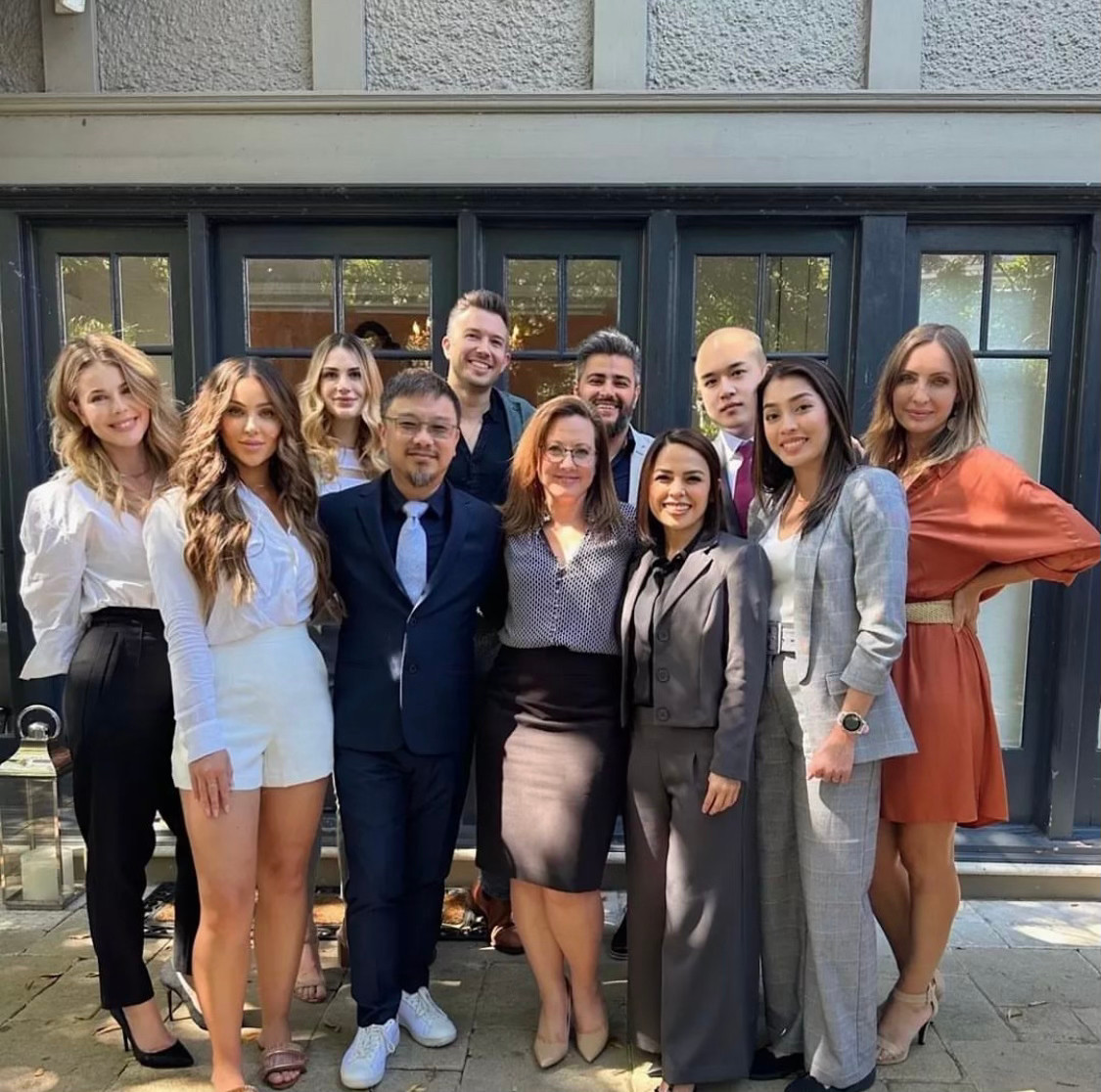
Our experienced team of medical practitioners and registered nurses are committed to the delivery of timeless natural beauty with leading procedures such as Vaser Liposuction, Fat Transfer Procedures including Brazilian Butt Lift, Wrinkle Reduction Treatments, Volume Enhancement Treatments, and Hi Definition Liposuction.
Before & After Results
Featuring a collection of the largest liposuction before & afters
LATEST POSTS
Over 160 articles published since 2007
LOCATIONS
See us for a consultation
Our experienced team of medical practitioners, doctors and registered nurses are committed to the expert delivery of timeless natural beauty.See LocationsSydney Double Bay
10 Henrietta Street, Double Bay NSW 2028
Opening Hours
Mon
8:30 am – 5:30 pm
Tue
8:30 am – 7:00 pm
Wed
8:30 am – 5:30 pm
Thu
8:30 am – 7:00 pm
Fri
8:30 am – 5:30 pm
Sat
8:30 am – 5:30 pm
Sun
Closed
Email
Phone
More information
Less information
Adelaide
163 Archer Street, North Adelaide SA 5006 Wheelchair access is at the rear of the building.
Opening Hours
Mon
9:00 am – 5:00 pm
Tue
9:00 am – 5:00 pm
Wed
9:00 am – 5:00 pm
Thu
9:00 am – 5:00 pm
Fri
9:00 am – 5:00 pm
Sat
Closed
Sun
Closed
Email
Phone
More information
Less information
Canberra
Suite 3 | Level C / 1 Broula Street, Bruce ACT 2617
Parking behind the building - please bring your ticket for validation.Opening Hours
Mon
9:00 am – 5:00 pm
Tue
9:00 am – 5:00 pm
Wed
9:00 am – 5:00 pm
Thu
9:00 am – 5:00 pm
Fri
9:00 am – 5:00 pm
Sat
Closed
Sun
Closed
Email
Phone
More information
Less information
Gold Coast
Level 2 / 127 Queen Street, Southport QLD 4215
Opening Hours
Mon
9:00 am – 5:00 pm
Tue
9:00 am – 5:00 pm
Wed
9:00 am – 5:00 pm
Thu
9:00 am – 5:00 pm
Fri
9:00 am – 5:00 pm
Sat
Closed
Sun
Closed
Email
Phone
More information
Less information
Sydney Cronulla
Satellite site for injectables only. 26 Cronulla Street, Cronulla NSW 2230
Opening Hours
Mon
9:00 am – 6:00 pm
Tue
9:00 am – 6:00 pm
Wed
9:00 am – 6:00 pm
Thu
9:00 am – 6:00 pm
Fri
9:00 am – 6:00 pm
Sat
9:00 am – 6:00 pm
Sun
Closed
Email
Phone
More information
Less information
Ready to answer all of your questions. Call or ask us below

- Buttocks