Fat Survival After a Brazilian Butt Lift
How much of the fat tissue survives after having a Brazilian Butt Lift (BBL) is one of the most common questions we receive at Cosmos Clinic.
Not all of the fat (adipose tissue) transferred into the buttocks will survive the plastic surgery long term. The fat graft survival rate will depend on a few factors including the techniques used and the patient’s recovery.
The fat grafting procedure
The fat grafting techniques used are one of the key factors that will greatly determine the fat survival rate.
VASER LIPOSUCTION
Unwanted adipose tissue is removed from areas of the body such as the abdomen, thighs and back using Vaser Liposuction. This is a gentler approach to removing fat tissue than that of traditional liposuction methods and doesn’t destroy the adipose tissue by exposing it to heat.
FAT PURIFICATION
The extracted fat cells undergo processing to purify and separate excess fluid from the fat tissue. This process not only clears the human fat of any unwanted substances but also ensures only healthy and strong cells are used in the fat transplantation.
EXPANSION VIBRATION LIPOFILLING
Before the fat cells are reinjected into the targeted area, the adipose tissue is expanded using the advanced Expansion Vibration Lipofilling (EVL) technique of fat grafting. This helps to enhance the fat survival rate by:
- Improving the likelihood of the adipose tissue growing and persisting;
- Evenly distributing the fat cells;
- Allowing for a higher volume of grafted fat.
How much fat is re-injected into the buttocks
After the adipose tissue is purified, the fat transplantation process occurs where the fat cells are re-injected into the buttocks making a significant difference to the size and shape of the patient’s derrière.
On average, the Cosmos Clinic surgeons will inject 1,000 – 1,200 mls of stable fat cells into each buttock cheek. In some cases, up to 1.8L of purified fat tissue will be injected into the targeted area.
How much fat survives the fat transfer
Fat grafting is a delicate process and not all of the fat cells transferred during a BBL procedure will survive.
In our experience, the fat survival rate after a BBL procedure is generally more than 80%. For example, if 1L of purified fat tissue is injected into each buttock, we’d expected to see a long-term survival of about 800 mls of fat.
While about 15-20% of fat tissue is lost during the fat transfer, enough still remains to see a significant difference and obtain the desired results of a BBL as you can see from the photos below.
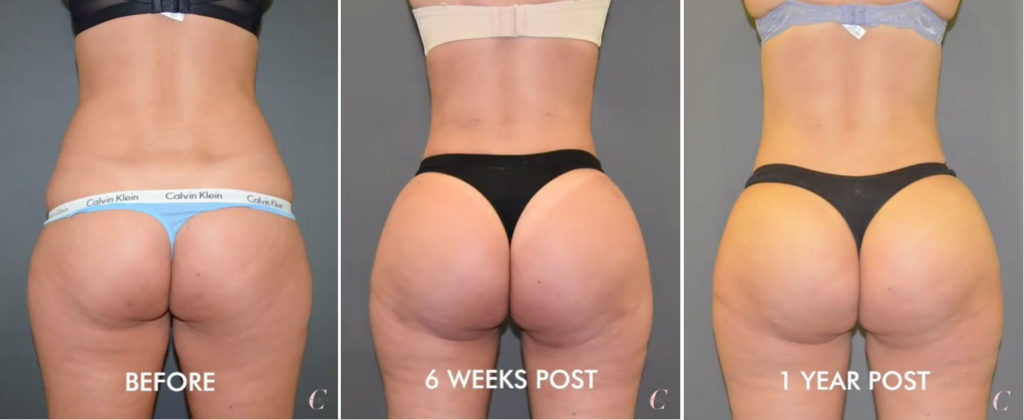
Initially, swelling of the buttocks will occur causing an increase in graft volume. The results of the fat transfer will begin to stabilise after about 3 months and you’ll be able to see the real survival of the fat grafts.
Maximising your fat graft survival rates
It’s not only the experience of your doctor and the techniques used during your cosmetic and plastic surgery that influences the fat tissue survival rates. The patient’s recovery and ability to follow the post-operative recommendations will impact the longevity of the fat injection results.
Here are some tips to help maximise your fat tissue survival rates:
- Wear the specialised compression garments as instructed;
- Avoid smoking to ensure adequate flow of blood cells and blood supply to the newly transplanted fat tissue;
- Limit drinking alcohol to ensure healthy circulation and reduce the risk of adipose tissue degradation;
- Attend all follow-up lymphatic massage appointments to reduce excess fluid and alleviate swelling;
- Avoid applying pressure to the buttock and fat grafting area to reduce the risk of fat cell death;
- Swap strenuous physical activity for light walking to limit the loss of transferred fat cells while recovering;
- Consume a nutrient-dense diet to support recovery, encourage healthy blood supply and promote fat survival.
- Maintain a healthy weight and avoid fluctuations in weight gain or loss to maintain the volume in the buttocks.
Discover more about the BBL procedure here or find out if you are a good candidate for cosmetic surgery by contacting the Cosmos Clinic team here or calling on 1300-138-797.
Could Intuitive Eating Help Maintain Your Cosmetic Surgery Results?
Cosmetic surgery procedures like Liposuction and Brazilian Butt Lift are a popular tool to enhance your figure and in the process improve your body image. But, it’s not necessarily a weight loss solution and in fact, your surgery results long-term greatly rely on your ability to maintain healthy eating habits and a regular workout program.
It’s well-known fad diets including calorie counting, cutting carbs and restrictive eating is a quick fix and isn’t sustainable in the long run. Research shows most people with a diet mentality will end putting all the weight back on and even end up putting on more weight than they were before they embraced the diet culture.
A healthy eating approach that is on the comeback is intuitive eating. Unlike many of the diet and supplement quick fixes, this is one that many registered dietitians and nutritionists are supporting and it could be a great way to help you maintain your weight and results post cosmetic surgery.
What intuitive eating means
The intuitive eating approach was first discussed when dietitian Evelyn Tribole and nutritional therapist Elyse Resch published the book ‘Intuitive Eating: A Revolutionary Program That Works’ in 2012.
Authors Evelyn Tribole and Elyse Resch claimed intuitive eating was a gentle nutrition approach that would teach you how to reject the diet mentality forever, develop a healthy relationship with food and learn to listen to your own body’s hunger and fullness cues.
Unlike most diets, intuitive eating doesn’t rely on restrictive meal plans. It doesn’t outline your food choices, specify how much veggies you should be eating or what foods to avoid. To become an intuitive eater, you’ll become more aware of how your own body responds to foods and make more mindful food choices.
What are the benefits of intuitive eating?
Intuitive eaters enjoy many benefits of this healthy eating approach. Some of the main advantages of intuitive eating that nutritionist and dietitians claim include:
- Ditching the diet mentality in place for a more enjoyable healthy eating approach;
- There’s no need for calorie counting or food restriction;
- It can help break binge or emotional eating patterns;
- It can be helpful if you’ve experienced an eating disorder;
- It assists you in practising mindful eating and reduces the occurrence of overeating;
- It may help improve your overall well-being, self-esteem and body image;
- It may increase your satisfaction factor when it comes to healthy eating;
- It may assist with weight loss and weight management long term.
How to adopt intuitive eating
There are no food police or hard and fast rules for you to follow if you want to become an intuitive eater.
However, unlike fad diets, this is not a quick fix and you may not see the weight or BMI drop as drastically as if you were calorie counting.
To become an intuitive eater you’ll have to adjust some of the unhealthy eating behaviours you’ve developed over the years, especially if you’ve been a yo-yo dieter. And it may take a little bit of time for you to learn to listen to your body.
But once you adopt this healthy eating style you’re likely to reap the benefits and enjoy food again!
Here are some of the key principles of intuitive eating to ease you into this anti-diet approach.
- Reject the diet culture.
- Learn to listen and trust your hunger cues.
- Give your self unconditional permission to eat without the guilt.
- Eat mindfully and respect when your body is full.
- Avoid using food as an emotional or stress healing tool.
- Respect your body and honour your overall health and well-being.
- Get active and be mindful of how it feels to move your own body.
For more information and guidance about intuitive eating, click here.
Travelling To Cosmos Clinic For Cosmetic Surgery
Cosmos Clinic is receiving more enquiries from interstate and overseas clients than ever before.
Collectively, we’ve performed more than 100,000 cosmetic and 15,000 surgical procedures across our Australian locations. While many of our clients are locally based, there are plenty of people willing to travel to receive treatment from our experienced cosmetic practitioners.
Currently, Cosmos Clinics are located in Double Bay in Sydney, Archer St in North Adelaide, Deakin in Canberra and Benowa in Gold Coast.
We’ll be looking to open our much-anticipated clinic in Melbourne by the end of the year. Stay tuned for more updates about this on the Cosmos Clinic Instagram Feed.
Booking cosmetic surgery interstate
If you’re from interstate or living outside of Australia and interested in travelling for cosmetic surgery at Cosmos Clinic, you’re best to submit your enquiry to [email protected].
One of our team will then be in touch to discuss the cosmetic procedure and the costs involved in more detail.
The day before your procedure, you’ll meet in person with your Cosmos Clinic cosmetic practitioner. At this appointment, we’ll discuss and prepare you for your treatment. Pre-operative and post-operative requirements will be provided so you can achieve the best possible results.
What to consider when travelling for cosmetic surgery
RECOVERY TIME
Whether you’re coming to Cosmos Clinic for liposuction, a Brazilian Butt Lift or another of the many cosmetic procedures offered, you’ll need to factor recovery time into your travel schedule.
While many of our cosmetic surgery treatments are performed under conscious sedation allowing you to go home the same day as your procedure, follow-up visits are advised. These appointments can help with the recovery process and ensure optimal results are achieved.
As a guide we recommend you stay local to your chosen Cosmos Clinic for:
- Liposuction – 2 weeks post-surgery
- Brazilian Butt Lift – 3 weeks post-surgery
- More invasive surgical procedures (i.e Tummy Tuck or Breast Lift) – you may require more time depending on the extent of the procedure.
During this time, you’ll return to the Cosmos Clinic for post-surgical checkups and lymphatic massages with a physical therapist. These appointments are essential to check your healing and to help clear any fluid from the targeted area.
APPROPRIATE ACCOMMODATION
When planning interstate or international travel for cosmetic surgery, you’ll want to ensure you’ve arranged appropriate accommodation for the duration of your stay.
We recommend you choose a place to stay that’s relatively close to your chosen Cosmos Clinic. We also suggest you look for accommodation that enables you to have the rest and recovery you’ll need post-surgery.
ADEQUATE SUPPORT
Depending on the extent of your cosmetic surgery, you may also want to consider having adequate support while you are away from home.
A friend can not only help you emotionally but also physically as you may not be able to carry out physical activities such as shopping or lifting luggage.
Everyone copes differently after cosmetic surgery. Being prepared for the pre-operative and post-operative requirements is essential for optimal results.
For more information regarding the cosmetic procedures offered, click here or contact Cosmos Clinic at [email protected].
Move over Mums, ‘Daddy Do-Overs’ Are on the Rise
We recently wrote about celebrity mums opting for cosmetic procedures such as liposuction as part of a ‘mommy makeover’. But, it’s not just the mums embracing cosmetic treatments post-pregnancy. Recent data suggests more men are choosing cosmetic surgery treatments to increase body confidence and enhance their appearance in what’s being labelled as ‘daddy do-overs’.
In fact, the trend of men fending off the dreaded ‘dad bod’ has even seen plastic surgery nip and tuck procedures added to the average Father’s Day wish list!
In a new report, the American Society of Plastic Surgeons has revealed there has been a 29 percent increase in men embracing cosmetic procedures since 2000. Last year alone, there were more than 1.3 million cosmetic treatments performed to enhance the appearance of male patients.
Diet & lifestyle affecting dad’s post-pregnancy appearance
President of the American Society of Plastic Surgeons (ASPS), Dr. Alan Matarasso, MD, weighs in on the rising trend of the ‘daddy do-over’ in a news release saying the average middle age man has different reasons for a cosmetic makeover than women.
“Obviously, men don’t go through the same physical changes that women experience during pregnancy and post-pregnancy, but their lifestyle does change, which can impact their appearance”, he says.
“Diet and exercise patterns fluctuate, and they don’t sleep as much. Men notice their body changes due to aging and parenting, and it starts to look completely different in their 30s and 40s. That is the point of a Daddy-Do-Over,” he says.
The rise in men choosing to undergo cosmetic procedures is not just about vanity and regaining their pre-baby body. Dr. Alan Matarasso says there is a move for men to seek plastic surgery to help them advance their professional careers. Men are looking to feel more confident when competing in the workplace against other male candidates and colleagues, he explains.
Most popular procedures for men

There are several popular procedures men are embracing as part of a ‘daddy do-over’. These include:
- Rhinoplasty (nose job) proved most popular with 52,000 procedures performed;
- Eyelid surgery to resolve droopy eyelids ranked second;
- Liposuction increased by 5 per cent in 2018;
- Gynecomastia (breast reduction) saw more than 24,000 procedures in 2018;
- Hair transplant has increased by 17 per cent since 2017.
Botox injections and filler treatments were also found to be one of the more popular facial procedures amongst men, reported the ASPS.
Male BBL also on the rise
Earlier this year, Cosmos Clinic’s Dr Joseph Ajaka spoke to Seven Network’s ‘The Morning Show’ about trending cosmetic procedures for 2019 in Australia.
One of the more popular procedures he’s noticing male patients are embracing is the body contouring procedure known as The Brazilian Butt Lift. In the past, this procedure has been trending amongst women largely thanks to the ‘Kardashian-effect’ and Instagram.

However, Cosmos Clinic is seeing more male patients make the personal decision to enhance the definition and shape of their buttocks while body contouring their love handles to achieve a straight side profile.
Read more about the most popular procedures for men and women here.
Interested in discussing your own ‘daddy do-over’? Take a look at the cosmetic procedures offered at Cosmos Clinic here or contact our team to discuss your individual needs here or call us on 1300-138-797.
Scarring After Liposuction: What to Know
Some of the most frequently asked questions we receive about the liposuction procedure are ‘how long will I need to recover?’ and ‘will there be any visible scarring?’
Cosmos Clinic’s head cosmetic practitioner, Dr. Joseph Ajaka talks to about post-liposuction scarring over on our Instagram Feed.
Here, we discuss in more detail the liposuction surgery procedure and what you need to know about recovery time and scarring.
What to expect during a Liposuction procedure
To perform the liposuction surgery your cosmetic practitioner will be using a small cannula ultrasound probe to dissolve the fatty layer and remove excess fat cells from your chosen areas of the body.
This instrument acts as a high-tech vacuum by melting the solid fat into a soft material before gently sucking out the fat cells to aid the body contouring.
The liposuction procedure is performed under twilight sedation, however, general anaesthesia is available on request.
Find out more about our liposuction procedure options here.
Discrete placement of incisions
Small incisions need to be made in parts of the body where then cannula will need to be inserted. These tiny incisions are only about .5 – 1cm long, allowing the numbing solution to infiltrate under the skin and the ultrasound probe to enter.
These incisions are so tiny they heal quickly usually requiring no stitches.
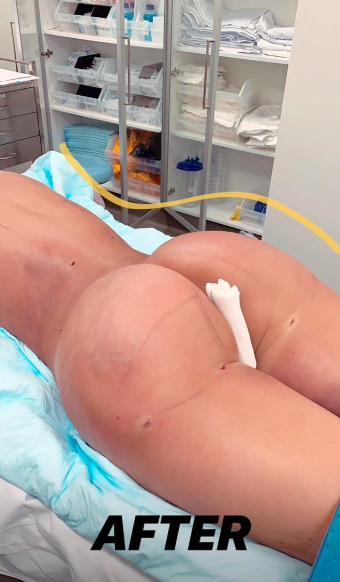
The number of incision sites made during the cosmetic procedure will depend on how much fat needs to be removed and the area of the body treated.
To minimise noticeable scars post-liposuction, the tiny incision sites are typically placed in discrete areas of the body. For example, in the belly button, inner thighs or along the bikini line so they can be camouflaged by underwear.
Visibility of scars
To ensure you have realistic expectations, it’s important to understand that while the incisions are tiny, you may notice a small scar at the targeted sites.
If you are fair skinned, it’s unlikely you’re going to have any issue with scarring. Once the incision area has healed, it typically turns pink and then white; blending into the skin.
If you are dark skinned or Asian, the tiny scar may be slightly more visible as they tend to become a little darker.
It’s also important to inform your cosmetic practitioner or plastic surgeon if you have a tendency towards Keloid scarring. Keloid scars are often raised and have a darker and red appearance than the surrounding skin. These can occur after any type of skin injury whether that’s an accidental cut to the skin or incisions from cosmetic procedures such as liposuction or tummy tuck.
Appropriate post-surgery wound care
After the surgical procedure, you’ll be provided with advice that can help reduce your recovery time, help prevent the occurrence of keloids and improve the overall results of liposuction.
Depending on your cosmetic surgery treatment, your wound care may include:
- Use of compression garments to aid recovery and reduce swelling and bruising;
- Scar treatments including a combination of ProFractional laser, Platelet-rich plasma (PRP), Dermal Fillers and fat transfer;
- Proper wound care instructions to prevent opening;
- Use of recommended gel products to help fade and flatten the scars;
- Skincare regimen advice;
- Dietary advice to help aid wound healing.
Keep an eye out on the Cosmos Clinic Instagram Feed where weekly we’ll answer some of the most intriguing and popular questions regarding cosmetic surgery procedures.
If you’re interested in finding out more about one of the treatments offered at Cosmos Clinic, you can contact us here or call our team at 1300-138-797.
Gaining Weight Before a Brazilian Butt Lift Procedure
The most suitable candidate for a Brazilian Butt Lift (BBL) procedure are those people who desire a more shapely and defined buttock and who have the reserves of fat elsewhere on their body.
The BBL procedure combines Vaser Liposuction of the patient’s own body fat away from areas with a healthy amount of fat available; namely the abdomen, thighs or lower back. But for some patients, they don’t have enough fat and may be concerned the fat transfer won’t be sufficient to achieve their desired results.
Do I need to gain weight for a BBL?
To safely undergo cosmetic surgery and for the best BBL results, you’ll need to be of a particular weight range.
A consultation with the Cosmos Clinic team is required to ascertain whether you need to gain weight for a BBL procedure. Generally speaking, a person of mid to high-end of a healthy BMI range will be a good candidate for the cosmetic surgery procedure.
Your surgeon will also take into account your body type, height and your personal expectations for the procedure.
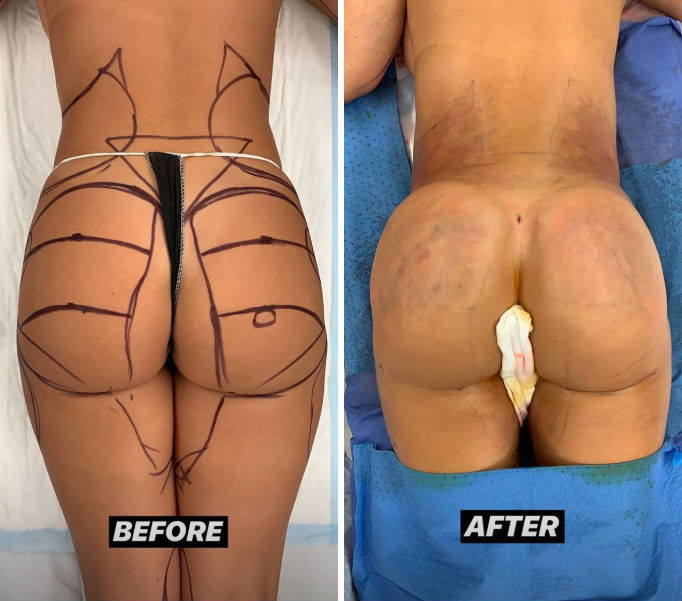
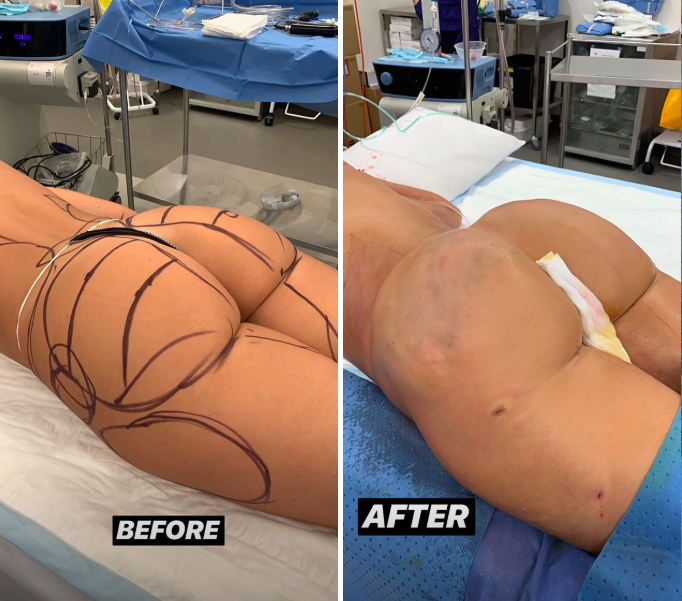
This patient in the Before and After BBL photos needed to put on 5kgs before the procedure. This enabled enough fat to achieve the Sports Illustrated look she desired.
Vaser liposuction improves fat transfer results
During a Brazilian Butt Lift, liposuction is used to harvest your own fat before being purified and cleaned. It is the healthy fat cells that are then re-injected into the buttock region for increased size and contouring. On average, 1,000 – 1,200 ml of purified fat is injected into each cheek.
When traditional liposuction techniques were used for fat grafting, less than 50% of the extracted fat survived the transfer process. This means more fat was required to achieve optimal Brazilian Butt Lift results.
However, the survival rate of fat transfer using Vaser Liposuction is much greater at more than 80%. This is a more gentle technique and the prefered method used by Cosmos Clinic.
What can I do if I’m not the right weight?
If you are underweight or have recently experienced significant weight loss, one of the first steps to prepare you for the buttock augmentation procedure is to gain weight in a healthy manner. This means by eating whole foods in their natural state rather than loading up on junk food and takeaways.
If you want to gain weight slowly, you’ll need to be consuming approximately 300-500 calories more than you burn daily.
For faster weight gain, you’ll need to consume approximately 700-1,000 calories more than you burn.
Here are a few suggestions to you help encourage weight gain:
- Choose nutrient-dense foods
Nutrient-dense foods will have higher calories while still providing you with the health benefits of plenty of nutrients. Foods such as full-fat natural yoghurt, coconut, avocado, sweet potato, olive oil, nuts and seeds are great options. - Eat more frequently
Large portion sizes can be overwhelming so instead, opt for smaller portions more often. This means you won’t get full as quickly and still increase your daily calorie intake. - Avoid drinking fluids at mealtime
Drinking a glass of water can reduce your appetite leading you to eat less. Try to avoid drinking fluids at least 30 minutes before you eat. - Eat quickly
Eating quickly can cause you to overeat because your brain hasn’t had time to process the signals that you’re full. It takes about 20 minutes for your brain to register you’ve had enough to eat. - Eat with distractions
If you’ve ever eaten mindlessly while watching TV you’ve probably eaten more than your standard portion. Eating with distractions such as your TV, phone, computer or friends can be an effective weight gain strategy. - Consume your protein, fat and carbs first
Eat the protein, fat and carb component of your meal first before your leafy greens and water-filled vegetables. This will mean you’ll be eating all the energy-dense foods before you get full. - Grab a bigger plate
An effective trick to help you lose weight is to use a smaller plate. To encourage weight gain, move up to a bigger plate which will naturally increase your portion sizes. - Reduce the intensity of your exercise
Maintaining your fitness level is important and can help ensure optimal recovery after your Brazilian Butt Lift surgery. Exercise also enhances your appetite. However, reducing the intensity of your exercise will prevent you from burning too many calories.
In the event gaining weight is not an option, you may be referred to a plastic surgeon for butt implants. However, fat grafting provides the most natural final results and carries with it a very low risk of infection.
To determine whether you are a good candidate for the procedure, you can contact Cosmos Clinic here or call the team on 1300-138-797. To view more information about the Brazilian Butt Lift or other surgical procedures offered at Cosmos Clinic, click here.
4 Foods You Need to Avoid to Prevent Scarring From Surgery
Nutrition plays a crucial role in preventing scarring from surgery. Some foods carry nutrients that can improve wound healing and strengthen your tissue, while other foods can impede your skin’s repair process and prolong your recovery. If you’re following a fad diet or you live on junk food, it’s time to get serious about your nutrition as these diets contain many foods to avoid during wound healing.
Wound healing is a complex process that can be divided into three main phases; inflammatory, proliferative, and maturation. To understand your body’s nutritional needs it helps to have a basic understanding of these phases.
Inflammatory
As your body begins the healing process it requires extra nutrients to divert to the wound site. Swelling occurs to control bleeding, prevent infection and allow repair cells to move to the site. Stress hormones are created, and your metabolism speeds up during this process known as the catabolic phase and the body must use its energy and protein reserves.
So, your wound incurred during surgery increases your body’s need for energy, protein, vitamins and minerals from the get-go.
Proliferative
During this stage, new connective tissue and microscopic blood vessels known as granulation tissue forms on the surface of the wound. For it to be healthy and strong, the blood vessels require an adequate supply of nutrients and oxygen. Myofibroblasts cause contraction of cells to pull the wound together.
Maturation
The last phase is the remodelling stage, this is when collagen is remodelled and the wound closes fully. Cells used in the initial stages of repair are removed. The collagen laid down during the proliferative phase is replaced by collagen that is organised in a denser, tidier way which smooths and strengthens the wound and reduces scar thickness. This remodelling phase starts about 3 weeks after the surgery and can last for over a year.
Foods to avoid during wound healing post surgery
If your nutrition is inadequate, the phases in wound healing are impaired. The time it takes for the wound to heal increases and the scar formation will be compromised. Here are the key foods to avoid during wound healing following your surgery:
1. Sugar
Sugar and skin health aren’t a great combination. Sugar can degrade the quality of your collagen and elastin.
Collagen and elastin make up a fibrous network that provides your skin with structural stiffness and elasticity and plays a key role in all the phases of wound healing. Scar tissue shows a decreased failure resistance, which suggests there is less collagen in the tissue. By consuming sugar you’re risking the degradation of collagen and elastin, which means that your scar may form thicker and be more visible.
Watch out for hidden sugars in processed foods and if you’re tempted to replace sugar with artificial sweeteners to lose weight, read this article first.
2. Nitrate-Rich Foods
The health of blood vessels reaching the site of the wound is vital in the healing process as these are the main suppliers of nutrients and oxygen required for repair. Excess nitrates in your diet in certain forms can lead to the damage of these vessels, impairing the wound healing process.
Nitrates have health benefits when consumed from vegetables but those found in foods such as processed meats like bacon, salami and hot dogs as preservatives are bad for your health. Eating too many of these nitrate-rich foods can cause atherosclerosis, where fatty plaque forms within your blood vessels. This obstructs the blood flow reducing your healing time and compromising the formation of your scars. This can also lead to stroke, heart attack and bleeding disorders.
3. Alcohol
Alcohol directly affects the absorption of nutrients required to repair your skin following a surgical wound. It does this by inhibiting the breakdown of nutrients and damaging the cells that line the stomach and intestines, so these nutrients cannot be transported in the blood to the site of your wound.
Alcohol impairs the absorption of proteins which are converted into amino acids which from collagen. Collagen is vital in each phase of wound healing, deficiency can affect the strength of your wound and the structure of your scar.
Vitamins A, C, D, E, K and the B vitamins are vital for skin healing and cell maintenance. Alcohol also inhibits the absorption of these essential vitamins.
Alcohol also decreases the body’s ability to absorb minerals, in particular, zinc which is vital in the synthesis and accumulation of collagen, especially in the wound’s early granulation tissue. Zinc deficiency can delay wound healing post surgery.
4. Caffeine
Sorry to be the bearer of bad news, but caffeine makes it on the list of key foods to avoid during wound healing. While caffeine is known for its strong antioxidant properties, it has the potential to hinder your skin’s natural healing process. Excessive caffeine intake can not only affect nutrient absorption, but it can also compromise your skin’s integrity by dehydrating your body. Dehydration causes the skin to reduce elasticity and become fragile and susceptible to breaking down.
It also can limit the supply of nutrients and oxygen to the wound by reducing the blood volume due to dehydration. This causes tissue perfusion where the tissues at the capillary level are undernourished. Cellular proliferation, adhesion and migration are restricted, this increases wound healing time.
Foods You Should Eat to Improve Wound Healing and Scar Formation
Scars can be a great source of emotional anguish. While scar formation will differ from patient to patient, ensuring you nourish your body with all the right nutrients will improve your wound healing and help promote overall health too.
For your scars to heal well after surgery, they’ll require these nutrients:
· Protein
You’ll want to increase your protein immediately after surgery to aid the healing process. Protein is broken down into amino acids, two of which are very important for your wound repair: L-Arginine and Glutamine. These amino acids will help form collagen, vital for the strength of your skin.
Sources of glutamine; protein-rich foods like beef, chicken, fish, eggs, vegetables like beans, beetroot, cabbage, spinach, kale, carrots, parsley, Brussel sprouts, celery, papaya and fermented foods like miso.
Sources of L-Arginine; soybeans, peanuts, pumpkin seeds, spirulina, chicken.
· B vitamins
B vitamins are essential to speed up the healing of your wound by increasing protein synthesis and enabling more repair cells to the site. B1 and B5 are particularly important for promoting skin health by strengthening scar tissue and increasing the number of fibroblasts that help secrete collagen. You can find B-vitamins in foods such as eggs, poultry, fish, green vegetables and legumes, almonds, avocado, lentils, sunflower seeds, cantaloupe, tomatoes, peanuts, sweet potato, mushrooms, whole grains, peas, quinoa, sesame seeds, soybeans, and watermelon.
· Vitamin C
Vitamin C is one of the most important antioxidants for wound healing as it increases the wound strength and aids the production of collagen. It is also vital for the development of new blood vessels that will transport the nutrients to your wound. You’ll find vitamin C in leafy green vegetables and citrus fruits.
· Vitamin A
Vitamin A is another vital antioxidant for the health of your skin post-surgery. This vitamin aids in the inflammatory response and can help prevent infection of the wound. As your wound is healing and the scar is forming, vitamin A is crucial for stimulating the growth of new blood vessels and the production of connective tissue. Dark leafy green vegetables, fish and eggs are all great sources of vitamin A. Supplementation of vitamin A is met with caution as toxicity can occur.
· Zinc
One of the most important minerals you could consume to improve scar formation is zinc. Zinc aids in the synthesis of protein and the development of collagen. Zinc has the potential to reduce your healing time from surgery by up to 43 percent and deficiencies in this trace mineral have been associated with delayed healing and reduced wound strength. Great sources of zinc include meat, fish, poultry and eggs, beans and legumes, tofu, nuts, seeds and oats.
Optimise your nutrition to speed up wound healing
An effective way to speed up your healing processes after surgery is with Intravenous Vitamins, a treatment that gives you a powerful boost of vitamins directly into your bloodstream.
It is important to keep up your nutrition long term as you can see the final phase of repair can last for over a year. If you are unhappy with your scar formation once the full healing process has finished it’s worth noting that scarring can be further minimised with a ProFractional Lasers to stimulate collagen production.
You don’t have to get it 100% perfect all the time and it’s important to be sensible about your nutrition, check out this article on orthorexia.
Optimising your nutrition is the most important measure you can take to minimise scarring post-surgery. Even if you only have tiny liposuction wounds, it’s worth taking your nutrition seriously and ensuring you eat extra amounts of the beneficial foods, and reducing your intake of those foods that will impede wound healing. This will speed up the repair process and leave you with better results.
Surgical fat removal Options: What Is the Best Procedure?
Are you having a hard time deciding between the variety of fat removal surgery options for your needs?
For most people, these points are the major deciders in making a choice between the different surgical fat removal procedures available:
- How expensive is the surgery?
- How painful is the surgery?
- Is the surgery risky and dangerous?
- Are the results worth my time and money?
- Can I trust my doctor?
These are just some of the questions that patients usually ask themselves before committing to a procedure. Becoming informed about each procedure, the risks, the results and the costs is important.
Why the non-surgical eyelid lift procedure is proving so popular
Loose skin, crow’s feet and eye bags are common signs of ageing. In the past to retain their youthful appearance, people went under the knife opting for surgical procedures to rejuvenate the eye area.
Today, minimally invasive procedures like non-surgical blepharoplasty are proving to be popular alternatives. They require little downtime, typically cost less and give you youthful results without much discomfort. Using the latest techniques in cosmetic surgery, a non-surgical eye lift treatment could be the answer to your sagging skin and stubborn fine lines around the eye area.
See the non-surgical eyelid lift procedure in action here:
A non-surgical eyelid lift procedure that utilises the latest technology
A traditional blepharoplasty requires a scalpel cutting through the skin to lift the upper eyelid and tighten the targeted area. Thanks to a Plasma Generator device, this non-invasive procedure lifts the eye area and treats the dreaded wrinkles and darkness that comes with ageing.
How does it work?
The plasma device helps to stimulate instant contraction and skin tightening around the eye area. As you can see in the video, small, pin-prick holes are created in the skin with the plasma generator. Gas passes through an electromagnetic field creating ionised gas particles resulting in plasma energy.
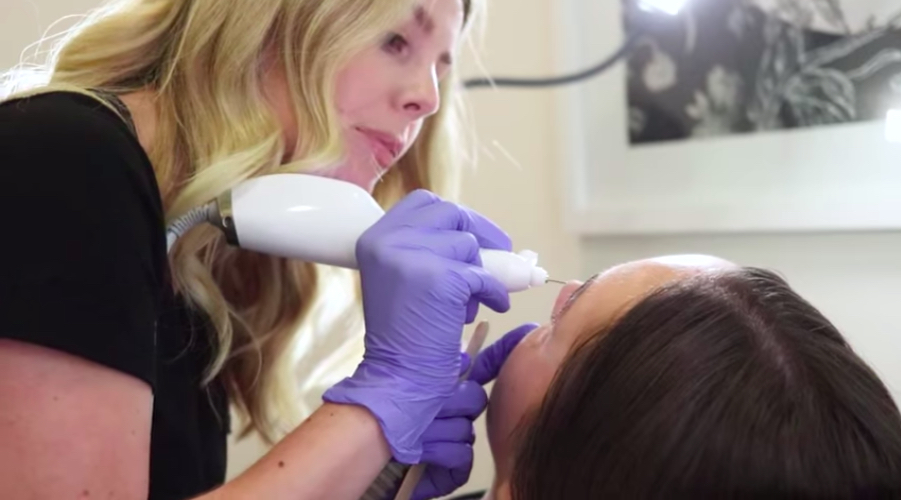
This plasma energy turns the skin of the targeted area into a gaseous state, shrinking the elastic skin fibres. This results in a more youthful appearance, similar to that of traditional eyelid surgery.
The benefits of non-surgical eyelid lift
For those looking for a non-invasive cosmetic procedure for treating sagging skin and unwanted wrinkles around the eyes, this new treatment could be for you.
The benefits of a non-surgical eyelid lift include:
- No use of scalpel or laser to remove excess skin;
- Minimal discomfort with only a topical anaesthetic cream required;
- Reduced recovery time with only 3 days of swelling and 5 days of visible brown dots;
- Treats a variety of skin conditions including acne, rosacea, scarring and ageing;
- An affordable alternative to traditional blepharoplasty interventions;
- Avoids the risks that come with invasive eyelid lift surgical procedures;
- Results expected to last for 2-3 years.
Want to see the results of a non-surgical eyelid procedure for yourself? Explore our before and after gallery to see how Plasma Generator technology could provide you with the youthful results you’re seeking.
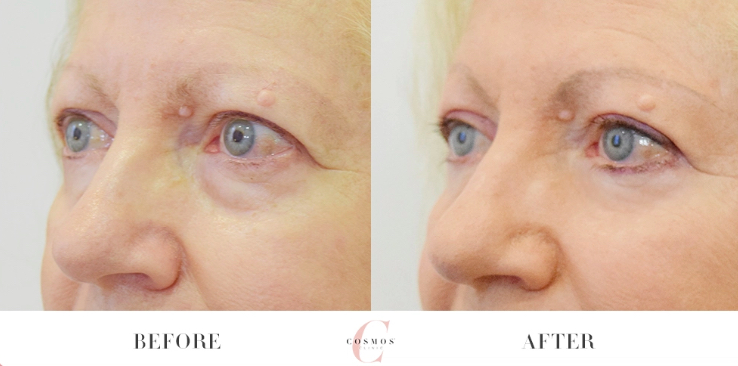
Have a question? You can contact our team here or call us at 1300-138-797 for further information or arrange a consultation.
Eating a High-Protein Breakfast for Weight Loss
When it comes to weight loss, most people typically choose a diet that puts them into a calorie deficit. The focus tends to be on cutting out foods to reduce the calories, but what if eating a certain nutrient at the right time could be the key to successfully slimming down?
Protein plays an important role in weight loss
High-protein diets have a reputation for being a successful strategy for losing weight and preventing obesity.
This is largely due to the nutrient’s ability to reduce appetite, modulate energy intake and control cravings. An increase in protein sees a reduction in our ‘hunger’ hormone ghrelin and the rise in our gut hormone peptide YY, which is vital for appetite regulation.
Evidence also suggests diets higher in protein can result in a reduction in cardiovascular disease risk factors.
Eating protein at breakfast may stimulate greater weight loss
So, we know protein can help with shedding excess kilos, but eating a portion of protein in your first meal could stimulate greater weight loss. Research shows, kick-starting your day with protein can make you feel more satisfied and less likely to over eat.
A study published in the International Journal of Obesity found those who ate a protein-rich egg breakfast while on a reduced-calorie program lost 65% more weight and had a 34% greater reduction in waist circumference than those on the same weight loss program who consumed a bagel for breakfast.
A more recent study examined the effect of eating a higher-protein breakfast had on daily hunger and overall caloric intake in overweight or obese breakfast-skipping adolescents.
The consumption of breakfast reduced daily hunger when compared with those who skipped breakfast altogether. But it was the high-protein breakfast that led to a decrease in energy consumed throughout the day, reducing the hunger hormones and increasing the concentrations of the hormone peptide YY.
With evidence to suggest eating a protein-rich breakfast could result in greater weight loss, this could be the ideal habit for those needing to lose weight quickly before liposuction or for those looking to keep the weight off after their procedure.
Read more about how much weight can you lose with liposuction and minimising post-surgery weight gain here.
Increasing your protein intake can also help with the post-procedure healing process. L-Arginine and Glutamine, two of protein’s amino acids, are important for wound repair. These amino acids will help form collagen, vital for the strength of your skin.
In summary:
- Eating a portion of quality protein at each meal is an effective way to stimulate weight loss;
- Consuming a protein-rich breakfast can enhance the weight loss results while on a reduced calorie diet;
- Eating a high-protein breakfast will help to reduce overall caloric intake and help regulate your appetite throughout the day, leading to less snacking;
- Increasing your dietary protein intake can also help with your healing process post cosmetic surgery.
Protein-rich breakfast ideas
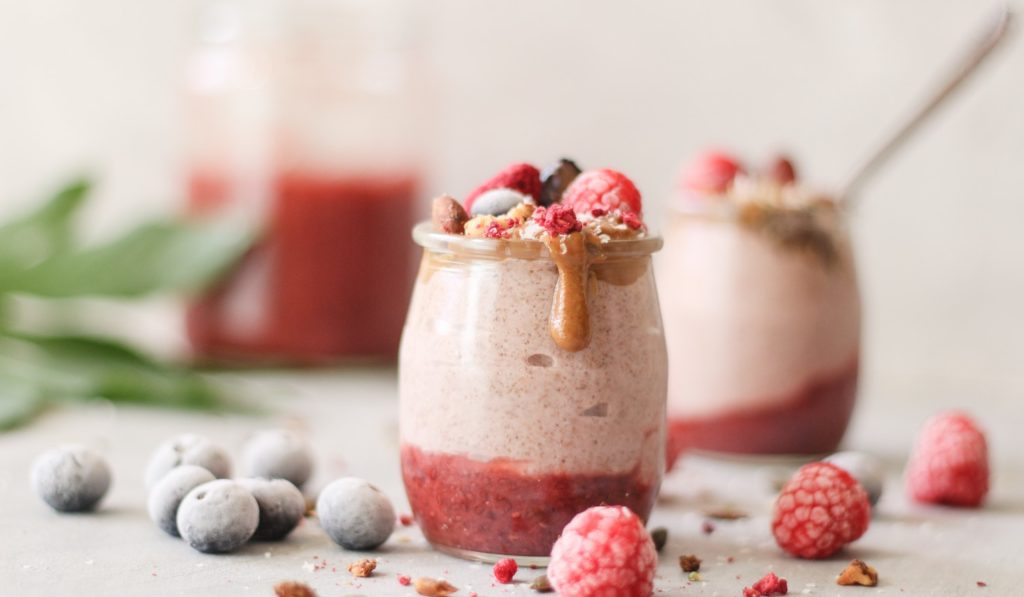
Starting your day with a high-protein breakfast can make you feel more satisfied and less likely to overindulge on snacking throughout the day. If you’re looking for protein-rich breakfast ideas, try one of these:
- Eggs with salmon and vegetables;
- Vegetable egg frittata;
- Greek yoghurt with rolled oats and nuts;
- Protein Pancakes;
- Berry smoothie with cottage cheese;
- Chia pudding;
- Quinoa porridge with nuts and seeds.
Further information
Check out our blog for more guides and articles like this or have a look at Cosmos Clinic’s info page to learn more about cosmetic surgery procedures.
You can contact us through this page for consultations or call us at 1300-138-797 to get in touch with our team of experts for further information.