Weight-Loss Surgery Reduces Risk of Death in Diabetics
A new study finds weight-loss surgery reduces risks of heart attacks and strokes in people with type 2 diabetes mellitus by about 40%.
Decreasing the likelihood of heart disease and heart failure is one of the major goals when treating type 2 diabetes, especially in obese patients. Previous drug studies have found limited long-term benefits in a lower risk of cardiovascular disease and early death.
In contrast, by inducing substantial weight loss through treatments such as bariatric surgery, also known as gastric bypass surgery, the long term health outcomes are improved.
Losing bodyweight reduces the risk of death by 41%
The results from the recent observational study published in the Journal of the American Medical Association (JAMA) suggest weight loss over long-term diabetes medication is the key to helping diabetic patients live longer and healthier lives.
The study followed 2,287 patients with type 2 diabetes mellitus who had weight-loss surgery at the Cleveland Clinic from 1998-2017. The research focused primarily on the major risk factors of developing heart disease, heart failure, stroke, kidney damage, erratic heart rate or early death from any cause.
To compare the results, the control group was made up of 11,435 people who didn’t undergo any form of weight-loss surgery.
The outcomes speak for themselves:
- Gastric bypass patients lost more than 20% of their body weight compared to those you didn’t undertake the surgery.
- The surgery group also cut their reliance on diabetes medications such as insulin and drugs to control their blood pressure and cholesterol.
- 31% of those who had reduced their body mass index through bariatric surgery had experienced one serious complication, compared to 48% of those in the control group.
- The risk of death in the surgical group was reduced by 41%.
- The risk of heart failure and kidney disease reduced by about 60% when compared to the control group.
Inducing substantial weight loss not only had benefits in treating diabetes and reducing the risks associated with the metabolic disease. It also was found to improve sleep apnea, improved blood sugar levels, control hypertension and reduce osteoarthritis.
“When diabetes gets better, when risk factors like high cholesterol and blood pressure decrease, we would expect improvement,” said bariatric surgeon at the Cleveland Clinic and lead researcher, Dr. Ali Aminian. “But we didn’t expect it to this extent. That’s what’s surprising to us.”
Weight-loss surgery: A potential way to tackle current health problems
The findings of this latest study come at a time when the public health care system is grappling with two global issues: the growing obesity crisis and the limited progress made against the leading cause of death, heart disease.
Dr. Steven Nissen, head of cardiology at the Cleveland Clinic and the senior author of the paper, said these two health care issues are inextricably related.
“After 30 or 40 years of making steady progress in reducing cardiovascular disease rates, about five years ago that improvement slowed, then halted,” said Nissen. “Now there is very good evidence that it’s now beginning to tick back up again. Virtually everyone believes that the obesity epidemic, and the diabetes that comes with it, is responsible.”
Bariatric surgery not the only type of weight-loss surgery
There are several types of weight-loss surgeries that could become the preferred treatment option for treating many obese patients with type 2 diabetes.
However, bariatric surgery is a highly invasive weight-loss surgery that comes with its own risks. In fact, in the United States, only 1% of qualify for weight-loss surgery undergo it.
There are also very strict criteria around who is eligible for the surgery, excluding many overweight and obese patients who are at risk of type 2 diabetes, already diabetic or at high risk for heart disease.
According to Diabetes Australia, even a small amount of weight loss (5-10% of body weight) can prevent the development of type 2 diabetes mellitus and reduce the risk of developing complications associated with the condition.
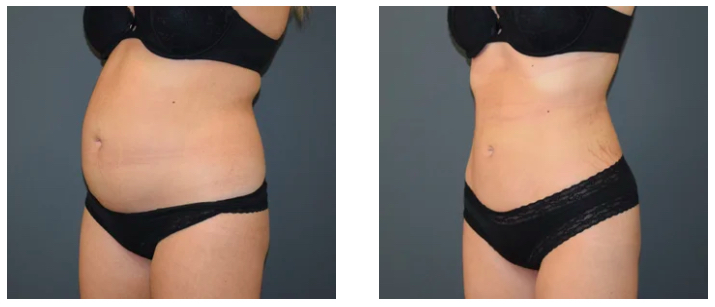
Vaser Liposuction and Mega Liposuction could be the answer for those who struggle to lose their excess body fat through a healthy diet and regular exercise alone and don’t qualify for gastric bypass surgery or don’t suffer from severe obesity.
Liposuction surgical procedures target specific areas of excess fat and are also associated with minimal risks and complications when compared to more invasive weight-loss and metabolic surgery options. As seen in the above Vaser Liposuction Before & After that features on Dr Joseph Ajaka’s Real Self Profile, patients can decrease their risks of health complications by removing body fat their waistline through surgical procedures that have reduced risk and faster recovery times.
This new research suggests our current medical treatment of overweight, obese and type 2 diabetic patients should be reviewed to consider weight-loss surgery as a treatment option for motivated patients who struggle to achieve sustained weight loss by other means.
Study Finds Jogging Most Effective Exercise for Managing Obesity
For those whose significant weight gain is compounded by genetic effects, losing the excess kilos can be incredibly challenging. Obesity is a complicated health issue as it’s caused by genetics, lifestyle habits, diet and the interplay between all three factors.
However, a new study may give hope to those struggling with weight loss even after adhering to a healthy diet and regular exercise.
Regular exercise found to be beneficial but jogging is the key
Published in the journal PLOS Genetics researchers from the National Taiwan University observed the link between the individual’s genetics and their exercise routines in 18,424 Han Chinese adults.
Five measures of obesity were analysed in the participants aged 30 to 70 years old. This included body mass index (BMI), body fat percentage, waist circumference, hip circumference and waist-to-hip ratio.
Researchers found regular physical activity to reduce the genetic effects on 4 out of the 5 obesity measures excluding the waist-to-hip ratio. However, it was regular jogging that proved the best type of exercise having a positive influence on all five measures of obesity.
The new study shows walking, power walking, mountain climbing, dancing and long yoga practices as having an impact on BMI results in those individuals who are susceptible to obesity. An exercise program consisting of these kinds of exercises may reduce the likelihood of significant body weight gain in individuals who are at a genetic risk such as those with obese parents.
Benefits of exercise and your metabolic risks
It’s no secret frequent physical activity has a beneficial impact on our waistlines. In fact, there have been many previous studies that show regular exercise can slow down the rise in our BMI, even in those individuals with obesity genes. But this new study is the first to consider the four other measures of obesity which are more relevant to our overall health than BMI alone.
BMI is a controversial obesity measure as it doesn’t take into account lean body mass or identify central obesity which is considered to be one of the most predominant risk factors for metabolic syndrome.
The hip circumference measurement, on the other hand, is a much more useful predictor.
The other factors key in metabolic syndrome include high blood pressure, central adiposity, high triglyceride levels, reduced HDL levels and increased sugar levels. Having three or more of these factors is likely to lead to a definitive metabolic syndrome diagnosis.
Why is it so important to reduce your risks of metabolic syndrome?
Being diagnosed with metabolic syndrome increases your risk of even more serious health conditions such as heart disease, diabetes and chronic kidney disease. In fact, people with metabolic syndrome are 2-3 times more likely to develop one of these conditions than those without the diagnosis. It also increases the risk of ongoing complications from these health conditions.
The results of this latest research once again demonstrate the importance of regular physical activity for your overall health and wellbeing, regardless of body weight or the individuals’ genetics. It also suggests if your weight is compounded by the effects of obesity genes you may want to add regular jogging into your exercise regime.
Ultra-processed Foods: Your Health and Weight
We all know that eating a lot of processed foods can be damaging to our health, but just how damaging and what should we look out for?
Recent research published in the BMJ has found ultra-processed foods are linked to an increased risk of obesity, high blood pressure, IBS (irritable bowel syndrome) and cancer. High consumption is associated with a risk of heart disease, weight gain and early death.
What are ultra-processed foods?
“Ultra-processed” is a term given to food as part of the NOVA food classification system. The globally recognised system divides food into four key groups depending on the amount of processing required to make the product.
The four groups are:
- Unprocessed / minimally processed foods
Examples of unprocessed foods include fruit, vegetables, meat, eggs, milk and nuts. Minimal processing techniques include drying, pasteurisation, cooking or chilling. - Processed culinary ingredients
These include products that have undergone some processing to make them suitable for cooking such as oils, butter, sugar and salt. These ingredients are not designed to be eaten by themselves. - Processed foods
Processed foods are typically made from two or three ingredients and include preserved fruit and vegetables, cheese, fresh bread and canned fish. - Ultra-processed foods
Ultra-processed foods contain little Group 1 whole foods and undergo several processing methods such as hydrogenation, moulding, extrusion and pre-processing for frying. These food-like products typically have an ingredient list of more than 5 products including non-sugar sweeteners, hydrolysed proteins, emulsifiers, preservatives and hydrogenated oils. They’re typically ingredients you wouldn’t cook with.
According to the NOVA food classification system, examples of typical ultra-processed products are:
- icecream
- chocolate
- lollies
- cake mixes, biscuits, pastries, cake
- bread and rolls
- margarine, spreads and breakfast cereals
- fruit yoghurt
- fruit drinks, milk drinks, energy drinks, soft drinks, cocoa drinks
- Nuggets, pizza, pre-prepared pasta, pies
- Sausages, burgers, hot dogs and so on…
Growing evidence that ultra-processed foods can be harmful
Mark Lawrence, professor of public health nutrition at Deakin University said the evidence that ultra-processed foods can be harmful to our health is growing. “Anything with a long list of ingredients, including additives, is suspect,” he says.
The recent observational studies found the following:
The first study involved more than 105,000 middle-aged adults from France. The participants filled out six 24-hour dietary questionnaires with the researchers finding:
- For every 10% of the diet that was made up of ultra-processed foods, there was just over 10% increase in the rates of cardiovascular disease, heart disease and cerebrovascular diseases including stroke.
- The risk of these diseases reduced with the intake of more unprocessed or minimally processed foods.
The second study involved nearly 20,000 Spanish university graduates. These participants completed a 136-item dietary assessment with the researchers finding:
- In people who consumed greater than 4 servings of ultra-processed foods per day, they had a 62% increased risk of death than those who ate less than two servings of ultra-processed food a day.
- Each individual serving of ultra-processed food increased the risk of death by 18%.
Ultra-processed foods linked with weight gain
It’s not just heart health and early death researchers are concerned about. A new study published in the Cell Metabolism journal found that those who ate an ultra-processed diet are likely to overeat and in turn gain weight.
The participants of the study were found to eat approximately 500 more calories each day than those people whose diet emphasises healthy eating, rich in wholefoods.
These foods are often filled with added sugars, salt, refined carbohydrates and fat,” said David Katz, director of the Yale-Griffin Prevention Research Center in Derby. “The study itself found that people who ate ultra-processed foods tend to eat them faster and that they had lower levels of appetite-suppressing hormones than those who ate whole foods. As a result, they may have ended up eating more in order to feel satisfied.
Exactly why these ultra-processed foods lead to increased health risks and food intake hasn’t been answered. What we do know is these foods are often high in calories, sugar, saturated fat, salt and low in many beneficial nutrients such as fibre.
Lawrence said it’s pointless trying to find out what ingredients are harmful and increase our risk factors.
Rather than trying to reformulate these packaged foods to make them safer, we should be directing our efforts to making sure unprocessed or minimally processed foods are affordable and available.
Fitness Trackers Don’t Result in Major Weight Loss, Study Finds
The popularity of wearable fitness trackers has grown immensely over the years as more people want to increase their physical activity and adopt a healthy lifestyle. But do they actually work? Do wearable devices like Fitbit and Apple Watch help with weight loss or improve our overall health markers?
A new study analysing research about wearable devices and the health benefits has found “little benefit” when it comes to significant weight loss, reducing blood pressure or achieving healthy cholesterol.
A wearable device designed for almost anything
There is a huge demand for wearable technology that can add value to our lives. There are smartwatches that count your calories, activity trackers in shoes that assess how you walk and the number of steps you take and there are wristbands that analyse your sleep quality. You can even find wearable gloves that can help you enhance your golf swing!
Wearable devices are technologies that use digital sensors to track information. They’re often used to motivate people to move more, increase their heart rate or assist them with a low-calorie diet. Consumers of fitness trackers and wearable smartphones are drawn to the ability for them to take control of their health and wellbeing as well as the lure of real-time feedback.
However, the recent analysis published in the American Journal of Medicine has found they may be offering less benefit than we’re led to believe.
The health benefits of a wearable fitness tracker are limited
Led by Ara Jo, a clinical assistant professor in the department of health services research, management and policy at the University of Florida, the team analysed six randomised clinical trials with a total of 1,615 people.
These studies collected specific data on health including blood pressure, weight and cholesterol. Four of the studies used the Fitbit wearable device and the other two used activity tracking apps that were integrated into the participant’s phone.
Of the six studies, only one found significant weight loss occurred in the participants who used a wearable device.
A reduction in blood pressure or cholesterol was not found in any of the studies.
One study collected blood glucose levels, which are relevant to the prevention and management of diabetes. Some participants saw a decrease in their blood glucose levels after wearing a fitness tracker, but not all.
“The weight loss findings are pretty surprising, ” Jo told TODAY. “I thought that wearable devices would definitely help to lose weight, at some point, because they make people move, but apparently not. ”
The value lies in the motivation
While a wearable fitness tracker may not be key to helping you lose weight or prevent weight gain altogether, there are still benefits.
The data collected from the tracker and the real-time prompts can motivate people to get moving or to make healthier dietary choices.
“They can motivate people to avoid a sedentary lifestyle, but that does not change people’s lifestyle to be [adequately] active,” Jo said.
The team suggest wearable fitness trackers could be valuable for people working with their GP or nutritionist to develop a personalised activity and weight loss program.
Data collected from the tracker can be used to identify a pattern, improve a diet routine or enhancing a person’s workout. These gadgets can also be used to monitor a patient’s progress as they carry out the treatment plan.
“But someone who expects to see significant effects like weight loss or clinical outcome improvements, it won’t be as useful,” Jo said.
This latest research highlights there is no quick fix when it comes to living a healthy lifestyle. A Fitbit or Apple smartwatch is no substitute for hard work and patience.
Could This New Weight Loss Device End the Battle of the Bulge?
It’s no secret, the world is struggling with an obesity epidemic. Restrictive diets, weight loss supplements and gruelling exercise programs dominate the health industry, yet the number of people overweight or obese is growing leading to a whole host of health problems.
So, could this new FDA-approved weight loss device become an effective weight management tool? Could Plenity replace invasive and costly weight loss surgery like bariatric surgery?
Plenity: an innovative weight loss device
Approved by the Food and Drug Administration in April, Plenity (formerly known as Gelesis100) is the latest weight loss device to hit the market that shows promise for those struggling with their body weight.
What could be mistaken as a weight loss medication due to its capsule form, Plenity is a device that mimics the sensation of fullness.
Inside the capsule is hydrogel particles. When exposed to water, each gel particle expands to approximately 100 times its weight taking up space in the stomach and intestine.
The result is a feeling of fullness and less room for food. The idea is that you will eat less and kick some of the excess weight you’ve been carrying around.
After you have eaten, the Plenity device moves from the stomach to the intestines where it breaks down and releases the water into the gastrointestinal tract before passing out the body during a bowel movement.
As the body doesn’t absorb the hydrogel, the FDA classes it as a medical device, not a drug.
Does Plenity work?
To approve the Plenity weight loss device, the FDA largely relied on the results of a clinical trial published in the Obesity medical journal.
436 adults with a body mass index (BMI) between 27 and 40 were recruited for the trial and were given either Plenity or a placebo for 24 weeks (6 months). The study was a double-blinded, placebo-controlled clinical trial which meant neither the participants nor the researchers knew who was receiving the device or the placebo.
The results of the clinical trial were as follows:
- Participants taking Plenity lost 6.4% of their baseline body weight versus 4.4% in the placebo group.
- Almost 60% of people in the Plenity group lost 5% of their body weight versus 42% in the control group.
- 27% of Plenity users lost greater than 10% of their baseline body weight versus 15% in the placebo group.
- Those with pre-diabetes or type 2 diabetes taking Plenity were approximately 6 times more likely to lose 10% of their body weight by the end of the study.
Is Plenity safe? What are the side effects?
The safety concerns in the Plenity trial were limited and no treatment-related serious side effects were experienced.
The participants who did take Plenity were more likely to experience digestive system upset including bloating, abdominal pain, diarrhoea and gas.
Bariatric surgeon and medical director of MemorialCare Surgical Weight Loss Center, Dr. Peter LePort explained to Healthline these health issues are to be expected.
“In the past [there have been] multiple devices to put in your stomach to make you feel like there’s food in your stomach so you don’t want to eat more,” he said. “They’ve always had some problem. Either they eroded the stomach or they passed into the intestines and they couldn’t get it out”.
LePort also notes that once the devices were removed, the individuals are able to eat normally again which often results in weight gain.
As the clinical trial only followed the use of Plenity for six months, it is unknown the long term common side effects or body fat loss results.
Am I a candidate for Plenity?
Currently, Plenity is approved for use in people who are of a body mass index (BMI) of 25 to 40. This includes people who are overweight or obese.
This is new as most previous medical devices designed for weight management have only been approved for those with a BMI of above 30. This was unless there was a pre-existing medical condition such as heart disease.
Whether this is an effective obesity treatment long-term is still yet to be answered.
“In general, I consider these all some type of gimmick that the patient uses to take in less calories, because, in the end, it comes down to calories. If you take in too many, you’ll gain weight. If you take in too little, you’re going to lose weight,” LePort said.
What’s evident is Plenity isn’t going to yield dramatic weight loss results nor is it a treatment option to replace healthy lifestyle changes like a balanced diet and regular physical activity.
Raising Hopes for Weight Loss with Gut Bacteria Supplements
Our body is made up of trillions of microorganisms. In fact, we’re more bacteria than we are cells. It’s well researched that our gut microbes play a role in various systems including our immune system and digestive system, and help regulate our appetite, hormone balance and metabolism.
Now researchers are digging deeper and conducting more human studies into the relationship our microbiomes have on our weight in hope to be able to develop weight-management treatments based on gut health.
Gut bacteria could help make you skinner or heavier
To date, there is various research that supports the idea that our gut health could be influencing our weight on the scales. Here, we list some of the findings:
- A study of twins found the obese twins had different gut microbiomes with reduced gut bacteria diversity than that of their healthy weight twin.
- When the gut bacteria of obese people were transferred into mice during a study it was found the rodents gain weight.
- In a recent study, it was found those who had more of the bacteria Prevotella in their guts lost more body fat than those who had more Bacteroidetes.
- Research has found that some gut bacteria we get through our consumption of food could indirectly cause us to gain weight by altering our gut’s behaviour.
As yet, there is no clear picture of exactly what bacteria you should have in a healthy gut to encourage weight loss. Researchers are also yet to understand the differences between the gut bacteria of an obese versus skinny person.
But what we do know is establishing a diverse gut microbiome comprising of as many different types of microbes as possible, is key to human health.
But what about weight loss?
Could a healthy gut filled with a diverse range of good bacteria help stimulate weight loss? Will taking a probiotic help you shift the excess kilos?
Could gut bacteria supplements help stimulate weight loss?
Early this month, researchers in Brussels published their preliminary findings in the Nature Medicine journal suggesting that a bug-filled supplement might produce favourable results.
Since gut microbiota has been established as a key contributor involved in the start of obesity-related conditions, the team of researchers decided to test how overweight/obese individuals would respond to the administration of the commensal bacteria Akkermansia muciniphila.
In rodents, A. muciniphila has been found to reduce obesity and improve conditions related to weight gain including insulin resistance, glucose intolerance and gut permeability.
40 overweight/obese insulin-resistant volunteers were recruited for the clinical trial with 32 completing the three-month trial.
The volunteers either received a supplement with:
a. Placebo
b. Live A. muciniphila (1010 bacteria per day)
c. Pasteurised A. muciniphila (1010 bacteria per day)
They were advised to maintain their normal food intake and physical activity during the pilot study period.
By the end of the recent study, it was found those who took the pasteurised A. muciniphila responded better to insulin than those who took the placebo, which helps to prevent the development of type 2 diabetes.
Their total cholesterol levels reduced and they saw a slight decrease in their body weight compared to the placebo group. There was also a reduction in fat mass and hip circumference in these volunteers.
After three months of supplementing with A. muciniphila, the participants also saw reduced levels of inflammation and blood markers that indicate liver dysfunction. Their gut health state remained with the overall gut microbiome structure unaffected by the supplementation. With no side effects evident, this highlighted the safety of the supplementation on the volunteer’s overall health.
The best foods for a healthy gut
There are a number of foods you can include in your diet to enhance the diversity of your gut flora. By eating these foods regularly and reducing the intake of processed foods high in sugar, refined carbohydrates and oxidised fats you may see weight loss results.
Probiotic-rich foods
Probiotic-rich foods like yoghurt, fermented veggies, sauerkraut, kefir, kombucha, miso and kimchi all contain a broad range of beneficial bacteria strains like lactobacilli and help to minimise overgrowths of pathogenic bacteria. Tip: start low and go slow when you’re introducing these foods so as not to overwhelm the gut and cause digestive tract symptoms like bloating.
Prebiotic-rich foods
Undigestable fibres know as prebiotics are what feed the beneficial bacteria so they can thrive in your gut and confer health benefits. Foods such as onions, garlic, leeks, asparagus, Jerusalem artichokes and resistant starch are vital for your gut flora.
Unrefined Whole grains
Whole grains are high in fibre and provide fuel for beneficial bacteria such as Bifidobacteria and may assist with your weight loss journey.
Vegetables
Don’t rely on just fruit for your colour and fibre, increase your variety of vegetables to enhance the diversity of your gut microbiome. More leafy green and fibre-rich vegetables are also associated with a healthy weight.
Could Your Coffee Habit Help You Lose Weight?
Type ‘coffee and weight loss’ into Google and you’ll be greeted by many article headlines suggesting your coffee habit could be the answer you need to reduce your body weight.
Sounds too good to be true?
A recently published study in the journal Scientific Reports has suggested caffeine consumption increases brown fat cells. These cells differ from the fat that accumulates around our waistline as they adapt to the environment, increasing or reducing the amount of energy burned.
On the surface, it appears drinking caffeine might be the magic solution to successfully lose the kilos and achieve a healthy weight.
Unfortunately, it’s that simple.
What is brown fat?
Regardless of whether you want to achieve weight loss, weight gain or maintain a healthy body weight, we all have body fat throughout our body.
The total amount of body fat, as well as the distribution of fat types, will vary from person to person.
Brown fat is a type of fat that is gaining more research interest for its potential role in the treatment of weight gain and obesity. This is because when brown fat is activated, it can burn energy.
This body fat is mostly found in the neck and torso regions. It helps to assist with temperature regulation. For example, when it’s cold, brown fat is activated to heat us up.
Read more about the types of body fat here.
It has been suggested caffeine may be able to mimic the effects experienced when we are exposed to the cold and indirectly simulate the function of brown fat.
The caffeine and weight loss study
The research conducted by the University of Nottingham was divided into two parts: a lab experiment and human experiment.
The lab experiment
During the lab experiment, fat cells from mice were grown in petri dishes. A caffeine dosage was determined based on the highest concentration that would brown the fat cells without killing them.
One millimolar of caffeine was added to some of the fat samples to see if the cells developed more attributes of brown fat.
Adding caffeine to these cultures was found to promote brown fat cell function in the samples tested.
The human experiment
Involving nine participants, researchers studied the effects of caffeine consumption on brown fat function versus water consumption.
The brown fat activity was measured before and after the experiment by assessing the skin temperature near the individual’s neck and shoulders.
In the participants who drank 65mg of caffeine, it was found the skin temperature of the assessed region increased when compared to the water-only group.
What to consider when interpreting the results
There are several things to consider when interpreting the results before you start drinking coffee to achieve weight loss.
- The study size of nine people is extremely small;
- The methods used lack the statistical analysis required to determine really if caffeine caused a rise in temperature in the coffee drinking group or if it occurred by chance;
- Skin temperature may not be the most accurate method to measure brown fat function;
- The dose of caffeine consumed in the human experiment was similar to that of a standard cup of instant coffee. The dose of caffeine used in the lab experiment is much higher than you would ordinarily consume. In fact, you’d need to drink approximately 100-200 cups of coffee a day to stimulate brown fat function!
Caffeine may hinder your weight loss goals
If you’re struggling to lose weight even after ditching the processed foods and regularly participating in physical activity, you may want to consider the side effects your caffeine addiction has on your waistline.
Caffeine is a stimulant that activates our ‘fight or flight’ stress response and encourages the release of adrenaline. This results in the energy boost and mental alertness you have come to love after drinking your morning coffee.
What your body doesn’t understand is the stress response is because of the caffeine, not because you’re faced with a threat such as a lion!
And while the hormone release will help you run from that lion, there is a pitfall of activating the stress response, particularly long-term. Simulating the release of adrenaline increases the levels of the stress hormone, cortisol.
Cortisol encourages your body to hold onto and store body fat as a survival mechanism. This is most noticeable as the stubborn weight around your middle. Increased cortisol levels also can affect your blood sugar regulation, sleep quality, blood pressure and cause adrenal depletion.
So while caffeine may increase the function of brown fat and effectively help to burn more energy when taking at an extremely high (and unachievable) dose, it has other effects on the body that may offset the health benefits.
Simply put caffeine isn’t a magic weight loss tool. You’re much better off focusing on healthy eating, portion sizes and regular physical activity to shift the unwanted kilos once and for all.
Are Photo Editing Apps Giving Rise to Cosmetic Surgery?
A new study suggests photo editing apps that allow you to retouch and airbrush blemishes from your selfies may be fueling the cosmetic surgery boom.
Research published in the JAMA Facial Plastic Surgery has found a positive association between photo editor apps such as Snapseed, VSCO and Adobe Lightroom and cosmetic surgery.
The study which surveyed 252 participants found an increase in social media use and selfies impacted their attitudes towards cosmetic procedures, making the treatments more accepting.
“A primary motivator for patients seeking cosmetic surgery is the desire to look better in photographs,” the authors of the study note. “The rising trend of pursuing cosmetic surgery based on social media inspiration highlights the need to better understand patients’ motivations to seek cosmetic surgery.”
Photo editing tools linked with a higher acceptance of cosmetic surgery
The Maryland study found of the individuals surveyed, those who use the popular iPhone and Android social media apps Youtube, Tinder and Snapchat (including editing features such as Snapchat filters) reported the highest acceptance of cosmetic surgery.
Those who use Instagram and the app’s editing tools on their smartphone recorded an increased consideration of cosmetic and plastic surgery procedures.
Interestingly, WhatsApp smartphone users noted a lower acceptance of cosmetic surgery compared with nonusers. The author’s hypothesised, the difference in acceptance for cosmetic surgery may be associated with the features of the app store programs.
For example, WhatsApp is primarily used to exchange text messages from one individual to another. YouTube users share videos and are exposed to a wider range of social media influencers. And the smartphone app Tinder relies greatly on self-appearance through the display of high-quality photos and dating profiles.
Photo editing apps associated with lower self-esteem scores
Google ‘best photo editing apps’ or search Apple’s app store and you’ll find there are a plethora of editing tools that allow you to achieve the best photo possible with your smartphone. This may entire blemish retouch, tweaks of the white balance or adjusting the exposure.
With the increased number of apps and improved camera app technology, these photo editors are commonly used amongst celebrities and everyday individuals. However, the recent study suggests many may be using the editing tools to help manage their self-image.
Individuals using YouTube also recorded low self-esteem which is interesting considering the social media platform doesn’t offer video editing tools.
People who used Adobe Photoshop or the photo editor VSCO reported on average, lower self-esteem scores. However, VSCO-editors were more likely to only edit the aesthetics of the photos and adjust the lighting rather than retouch their face or bodies like those who use Snapchat filters and other editing tools.
Influencers and celebrities on social media boosting interest
It’s suggested influencers and celebrities who regularly post their best selfies to their social media audience could also be boosting the interest in cosmetic surgery.
In previous years, individuals in the public eye were reluctant to talk about any cosmetic surgery they had undergone. Now, more A-listers and influencers are not only disclosing they’ve had a nip and tuck, but they’re also happy to share their experiences on social media.
New Zealand Influencer Sarah Harris, for example, has been extremely transparent about her recent cosmetic surgery experience with Cosmos Clinic.
After intense media speculation, Kylie Jenner admitted that her plumped lips were thanks to fillers. And earlier this year, Cardi B revealed to her fans she had liposuction and breast augmentation after the birth of her daughter.
This recent study suggests social media and photo editing apps such as Snapseed, VSCO and Adobe Photoshop are playing a role in normalising cosmetic surgery and perhaps driving its popularity. The authors of the study believe their findings may be helpful for practitioners and patients when discussing surgical outcomes and expectations.
The Reverse Diet: How it Helps to Maintain Weight Loss
Diets that encourage fat loss typically mean deprivation, hunger pains and feelings of envy towards those who are enjoying a tasty, calorie-filled meal. This usually results in a yo-yo dieting pattern because the lifestyle and calorie intake restriction are simply impossible to sustain long-term.
So, imagine a diet that allows you to eat more while still maintaining the weight loss you achieved. Yes, you can enjoy a banana, cheese and crackers or a piece of chocolate without feeling guilty!
The reverse dieting method is just that. A diet after your restrictive diet and it could be a useful method to use post body contouring surgery to maintain the results.
What is reverse dieting?
Reverse dieting is a popular method among bodybuilders and fitness models who want to maintain their low body fat while increasing their energy levels.
The theory of reverse dieting is instead of a caloric deficit and spending hours working out, you increase your metabolism by slowly increasing your calories and reducing your high-intensity cardio.
Now, this does not mean you can hit the ‘all you can eat’ buffet and suspend your gym membership to spend more time watching Netflix. In order to adjust your metabolic rate and avoid fat gain, you need to be strategic.
Understanding metabolic adaptation
When you go on a low-calorie diet whether that’s ditching carbs, reducing your fat intake or eating small portions, you’re creating a calorie deficit. This means you’re consuming far less energy than you’re burning.
Over a period of time, your body will adapt to the calorie restriction by slowing down your metabolism to help conserve energy and slow the fat loss. Your organs, hormones and muscles are all involved in the metabolic adaptation process.
Metabolic adaptation can be problematic when you want to stop severe dieting and instead return to your normal way of eating without causing weight gain. It also can become a problem when you’re not noticing any weight loss, yet can’t reduce your calorie intake any further.
But metabolic adaptation can work in both ways – you can slow your metabolism or speed it up. This is the premise that reverse is centred on. The method may help to reset your body-fat starting point and allow you to maintain a normal diet plan. Hallelujah!
How to reverse diet
When you’ve achieved your desired body weight, reverse dieting involves slowly increasing your caloric intake above the number you’re currently consuming. An increase of 50-100 calories per week is recommended to help maintain your weight and avoid an increase in body fat.
This calorie increase is only required for a period of 4-10 weeks depending on the point at which you begin to gain weight. This will be a different time period from one person to the next.
Increasing your calorie intake may help to boost your metabolism and even help regulate hormones such as leptin and ghrelin which play an important role in maintaining a healthy weight. However, eating more calories can result in unwanted weight gain.
That doesn’t mean you have to resort back to yo-yo dieting. Instead, simply adjust a little by eating fewer calories until you hit your sweet spot. This method could be particularly helpful after weight loss or body contouring surgery such as liposuction, tummy tuck or Coolsculpting to maintain the results.
It is also recommended you slowly reduce your cardio-based exercise and introduce more strength training into your regime. Strength training can help to increase your metabolism in both the short-term and long-term.
The benefits of reverse dieting
- It’s a great way to increase calories slowly after a period of dieting;
- Could be beneficial after weight loss or body contouring surgery to maintain results;
- An increased food intake could help overcome symptoms experienced through restrictive dieting such as low energy levels, poor focus and mood swings;
- Increasing the number of calories may help to regulate the hormone levels that influence your hunger and appetite.
- Increasing calories and food intake can make life more enjoyable again!
The downsides of reverse dieting
- To maintain your body composition, you have to closely monitor and track your caloric intake. This can be difficult to do and takes a lot of time;
- Monitoring calories can foster unhealthy relationships with food and disordered eating behaviours such as orthorexia;
- Counting calories doesn’t necessarily mean you’re eating a healthy diet. Eating 200 calories of junk food versus 200 calories of vegetables, for example, would impact your weight (and overall health) very differently;
- There is a lack of research to support the success of the reverse diet both long-term and short-term.
While in theory reverse dieting seems to be an effective and enjoyable way to prevent weight regain after diet, there is simply not enough research to back up its claims. And most of the case studies spoken about on traditional and social media are those from the bodybuilding community; not regular everyday people looking to maintain a healthy body weight.
It’s also worth remembering, there is no one size fits all when it comes to dieting and healthy eating!
Cardi B Gets Liposuction as Part of a Mummy Makeover
Singer and rapper Cardi B revealed to her fans she recently had liposuction and breast augmentation as part of a “mummy makeover” after the birth of her daughter Kulture.
Cardi B opened up about her cosmetic surgery during a performance at Beale Street Music Festival in Memphis, Tennessee in May. On her Instagram feed, Cardi B complained of loose skin after pregnancy and chose to undergo liposuction to regain her flat tummy and abs. The 26-year-old Grammy winner also admitted to having her breast implants redone after her child was born in July.
Cosmetic surgery mummy makeovers rise in popularity
For years, women worldwide have been turning to plastic surgery in addition to strict dieting and excessive exercise to reclaim their pre-baby body self-confidence. Cardi B is just another celebrity to join a long list of women getting a “mummy makeover” that includes cosmetic surgery to reshape areas of the body after giving birth.
But it’s not just Hollywood celebrities and A-listers who are choosing to undergo mummy makeover surgery procedures. Cosmos Clinic has seen a steady rise in the number of women under the age of 40 wanting post-pregnancy treatments to tighten their loose skin, remove excess skin, lift breast tissues and contour butts.
According to the American Society of Plastic Surgeons (ASPS), 62 per cent of mums have said that they would consider procedures including breast augmentation, breast lift and tummy tuck.
Former ASPS President Phillip Haeck, MD said, “In the last decade we’ve seen women’s attitudes about cosmetic surgery change. Today women are not afraid to admit that they love their children, but they wish their bodies looked the way they did before their first pregnancies. And they’re not afraid to acknowledge that they may need a little help beyond a healthy diet and exercise.”
In the past, women in their 50’s were largely driving the rise in cosmetic procedures, however, Dr. Haeck said more recently there is an increase in young mums in their 30’s opting for cosmetic mummy makeovers. In fact, the ASPS reported of the top five cosmetic surgical procedure performed in 2017, liposuction, breast augmentation and tummy tuck (abdominoplasty) increased in popularity. And these are considered three of the most popular surgical procedures amongst mums.
3 of the top mummy makeover procedures
The current president of the ASPS, told Business Insider, the common mummy makeover procedures can help to improve issues that are out of a woman’s control, such as stretch marks, abdominal muscle separation and loose skin.
Regardless of how good your diet is and how much you exercise, these are body changes that are difficult to reverse, he noted.
Here are 3 of the most popular mummy makeover procedures:
- Liposuction
Liposuction is one of the more popular mummy makeover procedures. Just like Cardi B, women are opting to undergo liposuction to help address excess fat and tighten the skin to rejuvenate areas of the body after pregnancy.
At Cosmos Clinic, Mummy Tummy Vaser Liposuction uses an ultrasound probe to melt the fat and tighten the skin of the abdomen to deliver a smooth natural result. It’s also a great alternative to the more invasive tummy tuck procedure.
Find out more about Cosmos Clinic Liposuction options here. - Breast augmentation
Breast augmentation surgery is a popular post-baby cosmetic procedure as many women struggle with reduced tissue elasticity, especially after breastfeeding.
In addition to breast implants, breast lift and breast reduction which involves Vaser Liposuction are also common procedures as part of a mummy makeover.
Find out more about Cosmos Clinic breast procedures here. - Tummy tuck
After working hard to achieve the weight loss required to regain the confidence they had in their pre-baby body, many mums opt for a tummy tuck procedure to remove any sagging, excess skin. It can also be an effective surgical procedure to tighten the abdominal muscles after pregnancy.
This is a more extensive procedure than liposuction with the extent of the surgery depending on the amount of excess skin and the elasticity of the abdominal muscles.
Find out more about the Cosmos Clinic tummy tuck procedure here.